




Basic Fuel Types of Forklifts
Forklifts are powered lift trucks that are utilized in various kinds of industries to move heavy materials and products. Forklifts are durable and dependable machines which are essential tools in warehouse and construction environments. Forklift models differ depending on the type of fuel that is utilized to power the lift truck and the kind of work setting.
Electricity
Electric powered lift trucks are best for indoor environments, or in sites with limited ventilation because they produce no exhaust fumes. They are designed with industrial strength batteries. Because the electric lift truck batteries need charging, the worksite should have a charging station. The batteries are tough and can be re-charged up to 1,500 times before they have to be replaced. The charging station should be situated in a ventilated area and include an emergency eyewash station and an acid spill kit.
Propane
Forklifts powered by liquid propane have some benefits over electric and diesel powered equipment making them fairly common in warehouse and industrial environments. Propane engines are much cleaner compared to diesel-powered units. There is no down time needed to recharge an industrial battery, and the cost for propane is less than the cost of electricity. A lift truck propane tank can be easily and quickly refueled by changing out the empty tank with a full tank. Usually an off-site supplier refills the empty tank, making refueling very safe and efficient.
Diesel and Gasoline
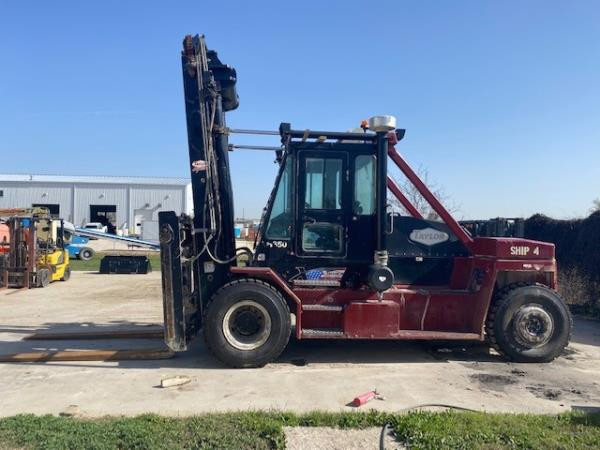
Gasoline and Diesel forklifts are the machinery of choice for rough terrain and outdoor applications. They are normally found on lumber yards and construction sites. Their disadvantages include odorous exhaust, relatively high fuel costs and fairly high maintenance needs. Their benefits comprise a longer lifespan than other units and reliability in tough conditions. Gasoline and diesel units should be refueled at a supply station on site that meets safety and health regulations.