


Intermodal containers are also called many other names. Several of the most popular alternative names consist of: ISO container, box, high-cube container, sea can, freight container, conex box, and container. These units are manufactured from standardized reusable steel. They provide efficient and safe and secure storage for moving supplies across the globe via a global containerized intermodal freight system.
"Intermodal" is a word that refer to the container which can be moved between one type of transport to another. Intermodal can mean from a ship to truck or ship to rail, without having to unload and reload the container's contents. A few of the container lengths which have a distinctive ISO 6346 reporting mark on them vary from 8-feet or 2.438 m to 17.07m or 56 feet. These models are as high as 8 feet or 2.438 m to 9 feet, 6 inches or 2.9 m. It is estimated that there are around 17 million intermodal containers of various kinds to suit a variety of cargoes within the globe.
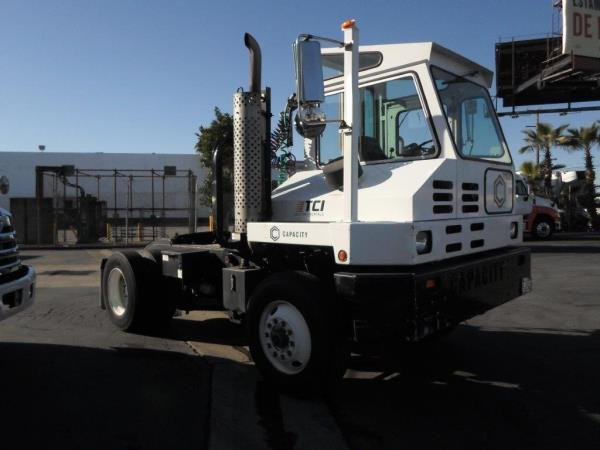
Containers are capable of being transported by semi-truck trailer, container ship and freight trains. They could travel the distance of a single journey without being unpacked. At container terminals, they are transferred between modes utilizing container cranes. A reach-stacker is usually utilized to transfer from a flat-bed truck to a rail car. These models are secured during transportation by a range of "twistlock" points situated at each corner on the container.
In order to manage to containers identification and tracking, each container is equipped with a bin identification code or BIC code painted directly on the outside of the box. These models are capable of carrying objects ranging around 20 to 25 tonnes.
For transport on rails, the container may be carried on flatcars or on well cars. Well cars have been designed especially for use by intermodal containers. They could efficiently and safely accommodate double-stacked containers. The loading gauge of a rail system could actually restrict the kinds of container shipment and the specific modes of the shipment. For instance, the smaller loading gauges which are typically found within European railroads will only handle single-stacked containers. In certain countries like for instance the United Kingdom, there are certain sections of the rail network which cannot accommodate high-cube containers, unless they could utilize well cars only.
These containers are made sturdy enough to last through the numerous travels across extreme distances. These containers are reused by companies and are able to transport huge amounts of cargo. These containers are responsible for moving numerous of the things we depend on everyday around the globe.